
Impacted Canine Treatment in Chastain Park
When a canine gets stuck
With early detection and combined surgical and orthodontic treatment, impacted canines can be guided into place.
What is an impacted tooth?
An impacted tooth is a tooth that is blocked or “stuck” underneath the gum line, and does not erupt into its correct position on its own. Most often, an impacted tooth will be a third molar, or wisdom tooth, though it is a common occurrence in canine teeth as well.
Canine teeth are located at the corners of the arch, next to the incisors. They have one pointed edge (cusp) which is used for holding, grasping, and tearing food. Because of the canine’s long root, they are very strong, stable teeth. Canines are usually the last teeth to erupt, and usually do so when your child is around the age of 12 or 13.
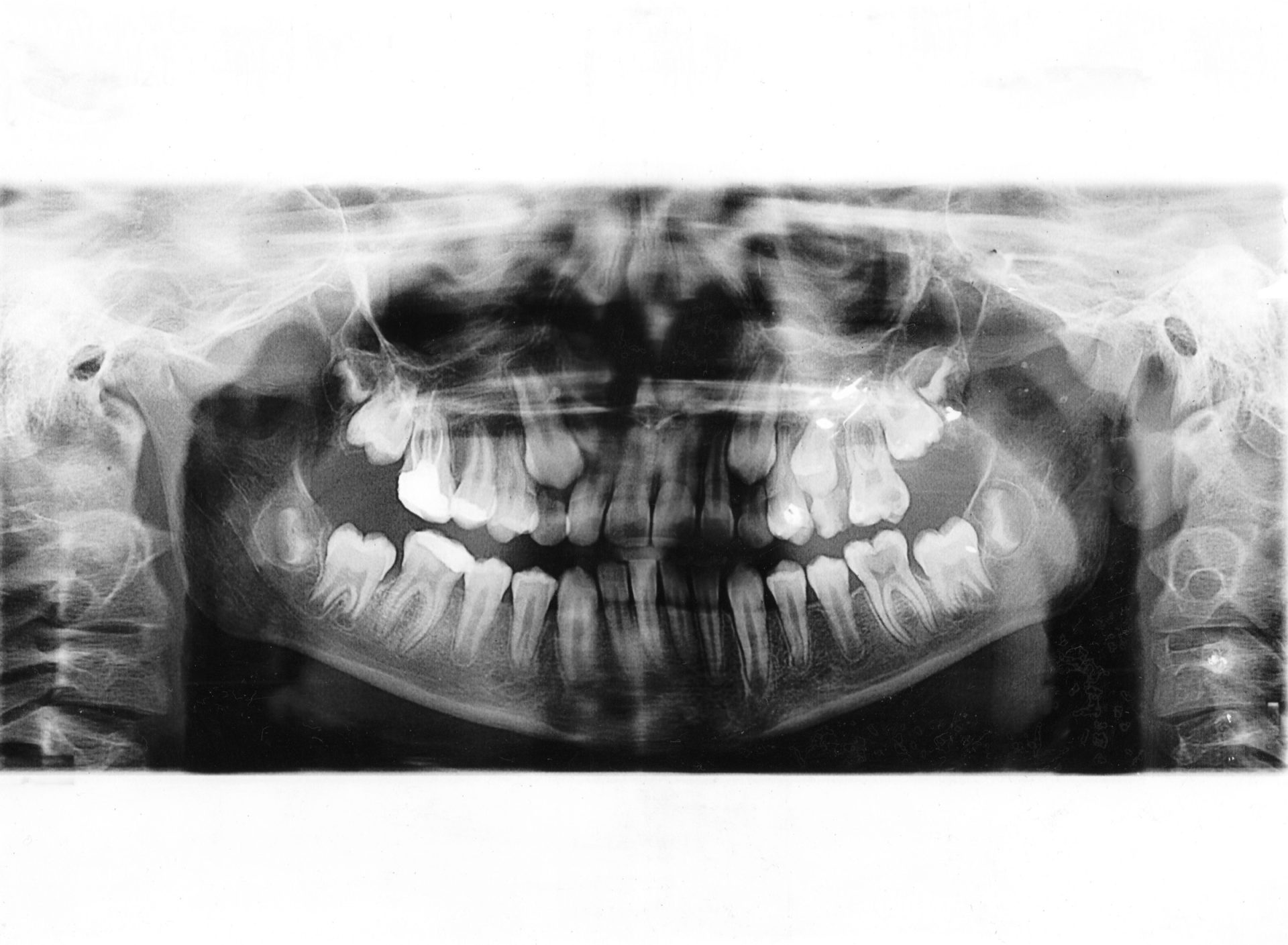
Early detection
Detecting impactions early
The American Association of Orthodontists recommends that children have an orthodontic examination by the age of seven, which allows us the opportunity to monitor your child’s teeth eruption and detect impactions early.
Treatment
Guiding an impacted canine into place
If your child does develop an impacted canine, a simple surgical procedure is recommended to assist the eruption of the tooth.

- 1
Exposing the tooth
We will surgically expose the tooth by cutting a small flap in the surrounding gum.
- 2
Attaching a bracket
After the tooth is exposed, we will attach an orthodontic bracket to the tooth to help guide its descent.
- 3
Guiding it into position
With early detection and combined surgical and orthodontic treatment, impacted canines can be guided to the most ideal position in your child’s mouth.