
Teen Orthodontics in Chastain Park
Straighter smiles through the teen years
Most permanent teeth are in place, which makes the teen years the most common time for treatment.
The Right Time to Start
The teen years are the most common time for orthodontic treatment because most permanent teeth are in place. Your teen’s bone and jaw structure are developed enough to allow treatment to begin, and experienced orthodontists can easily recognize issues with spacing, crowding, bite, and alignment at this stage.
Some teens may have even completed Phase I treatment at an earlier age and are now ready for full braces or another orthodontic approach.

Signs to Watch For
Common Orthodontic Issues in Teens
Beyond outward appearances, untreated dental problems can have a lasting impact on your teen’s oral and overall health. If you notice any of the following, we recommend a complimentary consultation — they could be signs your teen would benefit from orthodontic treatment.
Irregular Tooth Loss
Early, late, or irregular loss of baby teeth can signal underlying alignment issues that may need attention.
Difficulty Chewing
Trouble with chewing or biting can indicate a bite problem that orthodontic treatment can correct.
Crowding or Spacing
Too much crowding or extra spacing between teeth often leads to hygiene challenges and alignment concerns.
Jaw Problems
Jaws that shift, click, or make sounds may point to a jaw joint disorder or incorrect jaw position.
Abnormal Bite
Teeth that meet abnormally or not at all, including overbites, underbites, and crossbites, benefit from early intervention.
Protruding Teeth
Teeth that stick out are more prone to injury and can affect your teen's confidence and overall facial balance.
The Lasting Benefits of Straight Teeth
Properly aligned teeth aren’t just about a beautiful smile — they carry real health benefits that last a lifetime. Straight teeth are less prone to wear and tear, chipping, and tooth trauma, and they’re much easier to keep clean, helping to prevent decay and cavities.
Good alignment also reduces the chances of developing gum disease, which can lead to bone loss and tooth loss over time. And when teeth fit together correctly, your teen can chew more effectively, supporting better digestion and overall wellness.

Treatment Options
Orthodontic Solutions Tailored to Your Teen
While creating a customized treatment plan for your teen, we may recommend one of several options. Each is designed to fit your teen’s lifestyle, comfort, and clinical needs.
Metal Braces
Traditional metal braces are the most common type of braces and are more comfortable today than ever before. You can add colored elastics for a more colorful smile.
Ceramic Braces
Also known as clear braces, ceramic braces work the same way as metal braces but feature tooth-colored brackets that blend in with your teen's smile for a more discreet look.
Invisalign for Teens
A series of custom-made, clear, removable aligners with no brackets or wires. Our team will help determine whether Invisalign is the right fit for your teen.
How Invisalign Works for Teens
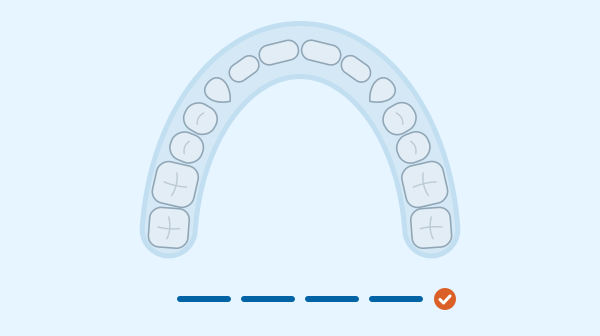
The Invisalign system uses a series of clear, removable trays called aligners that are custom-made for your teen’s smile. Every 5 to 10 days or so, your teen switches to the next aligner in the series, and when the aligners are worn about 21 to 22 hours per day, their teeth gradually move into the desired positions.
Because aligners are removable, your teen can eat, brush, and floss without restrictions, which makes it easier to maintain good oral hygiene throughout treatment.
Invisalign is not the right solution for every case. We’ll help determine whether it’s the right fit during your consultation.
Ready to take the next step?
Common Questions
Frequently Asked Questions
How long does treatment take?
Every case is different. Treatment times can take anywhere between six and 30 months, but most standard treatments take about 20 months. After active treatment, your teen will wear a retainer as directed by our team.
We work as a team with both parents and teens to create a smile that will last a lifetime.
Can teens still play sports?
Yes. Wearing braces will not stop your teen from taking part in school activities, and if your teen plays a contact sport, a mouthguard is recommended to protect their braces or appliance. We provide complimentary mouthguards designed for braces during orthodontic treatment.
If your teen has Invisalign, they can remove the aligner before practice or a game and put it back in afterward. Aligner trays should not be used as mouthguards, so ask our team about a mouthguard.
What about playing musical instruments?
Playing an instrument may require some adjustment when your teen first gets braces, especially wind and brass instruments, but braces will not stop your teen from playing. With Invisalign, your teen can remove the aligner before playing.